Mahjong Rules for Beginners: Winning Hand Structure and East-Only Basics
Published
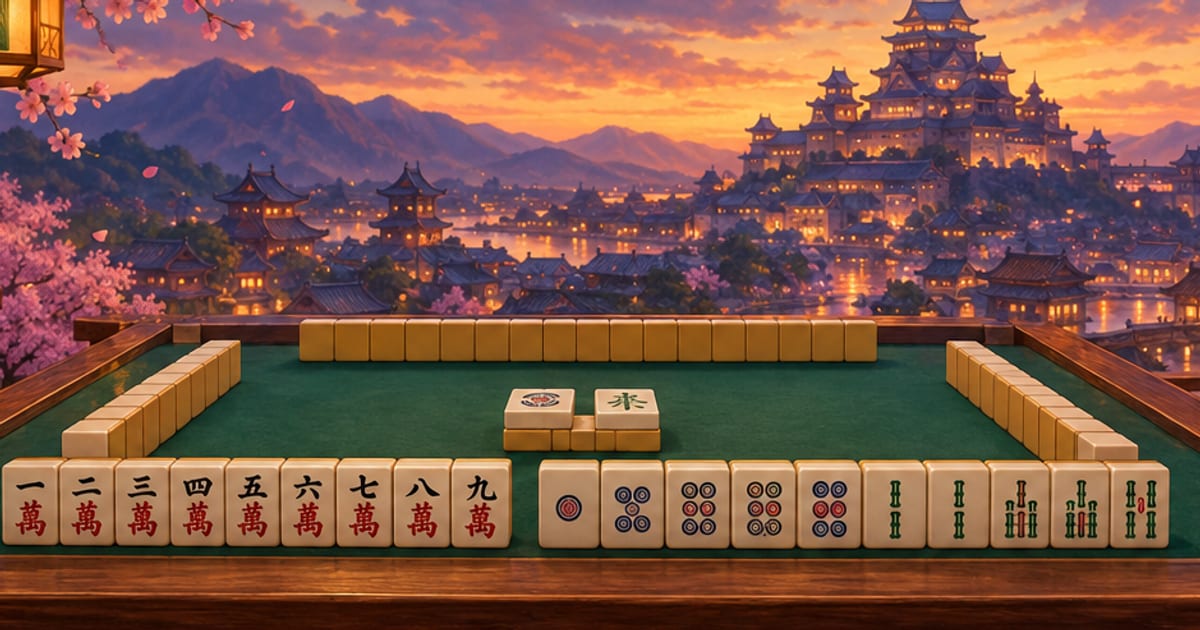
When beginners learn the rules of mahjong, starting with the finished winning hand makes grasping the flow of a match much easier.
Key Points for Beginners to Learn Basic Mahjong Rules and Winning Hands
Figure 1 as text
Hand: 1m 2m 3m 4m 5m 6m 2p 3p 4p 5p 5p 7s 8s
Tsumo win: 9s
Notation: 123456m23455p78s win 9s
Four-player mahjong uses 136 tiles, where you arrange a 14-tile hand aiming for a win. The basic structure consists of 14 tiles in total: 1 pair of 2 identical tiles and 4 sets of 3 tiles. In this diagram, 5-circle forms the pair, alongside 4 clean sets: 1-2-3 characters, 4-5-6 characters, 2-3-4 circles, and 7-8-9 bamboo. To win, you need at least 1 yaku; under the one-han minimum rule, having only dora does not qualify for a win.
Progression and Flow of an East-Only Game
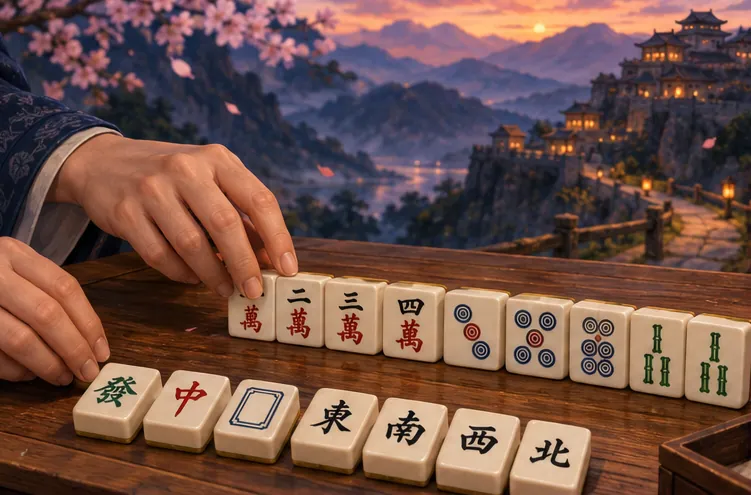
An East-only game, one of the match formats in mahjong, progresses from East hand 1 to East hand 4. Each player begins with 25,000 points, and the role of dealer rotates in turn.
The basic flow of play proceeds as follows. Beginners should first remember each turn's actions and the conditions that conclude a hand.
- In clockwise order, draw 1 tile from the wall (tsumo) and discard 1 unwanted tile from your hand.
- The hand ends when someone declares a win or when no drawable tiles remain in the wall.
- Points are transferred, the dealer role passes to the next player, and the match continues through East hand 2, East hand 3, and beyond.
Play in the app
The fastest way to absorb concepts is to play hands yourself. You can take all the time you need against computer opponents, even without internet access.


Free to play. Contains ads. No in-app purchases.
Mechanics of Riichi and Calling Tiles for Beginners
Riichi and calling tiles are essential concepts when learning mahjong. If you reach tenpai (1 tile away from a win) with a closed hand without taking other players' discards, you can declare riichi by putting out a 1,000-point deposit.
Figure 2 as text
Hand: 2m 3m 4m 5p 6p 7p 2s 3s 8s 8s
Pon (from across): Red Red Red
Waits: 1s, 4s
Notation: 234m567p2388s pon 777z
On the other hand, taking an opponent's discard to complete a set is known as calling. In the hand shown here with a pon on the Red Dragon, the hand has tenpai waiting on 1-bamboo and 4-bamboo, but it is no longer closed. A chii can only take from the player on the left, while a pon can take from any player. Winning methods include drawing the tile yourself (tsumo) or taking an opponent's discard (ron); if calls overlap, ron takes highest priority.
How to Learn Rules Step by Step with Single-Player Mahjong Games
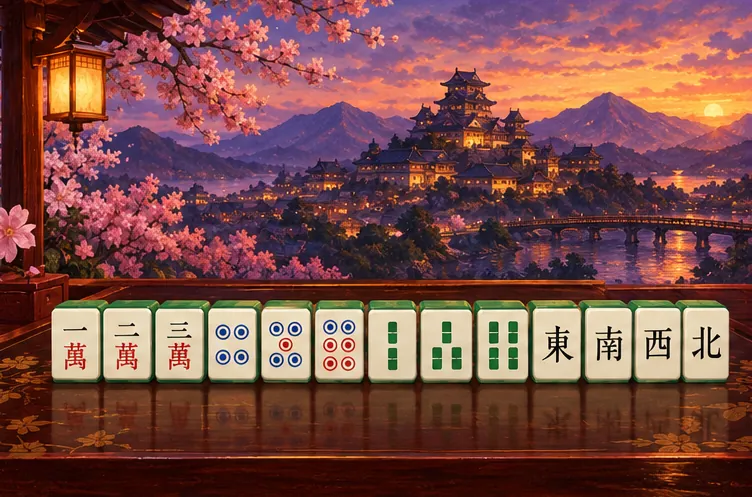
Playing solo against computer opponents suits beginners who have just learned mahjong rules. With the mahjong title Jankokushi, you can play four-player East-only games at your own rhythm. The turn timer is initially set to "None" (switchable to 15 or 30 seconds), giving you ample time to ponder tile combinations.
Calculations run entirely on your device, letting you play offline wherever you are. Tapping yaku names on the victory screen also displays detailed explanations, helping you naturally absorb yaku and rules as you play.
Frequently asked questions
Can I win just by holding dora tiles?
Holding dora alone is not enough to win. Under the one-han minimum rule, winning requires at least 1 yaku such as riichi or All Simples. Dora points are only added if you have a valid yaku.
Can I change my hand tiles after declaring riichi?
You cannot alter your hand after declaring riichi. Once declared, every drawn tile must be discarded (tsumogiri). Only closed quads that leave your wait unchanged are permitted.
Which takes priority between chii and pon?
If chii and pon are called simultaneously for the same discard, pon takes priority. Chii can only claim discards from the player on the left, whereas pon claims from anyone, and pon is executed first.
After how many hands does an East-only game end?
An East-only game ends after East hand 4. All players start with 25,000 points, each taking a turn as dealer across East hand 1 through East hand 4 to determine final standings.
Play in the app
Why not test your new yaku and riichi skills in Jankokushi, a mahjong RPG where you sit with historical figures to march across the realm?
Free to play. Contains ads. No in-app purchases.